
In furniture and joinery manufacturing, the gap between what is designed and what is delivered has always required careful management. In 2026, that gap is under greater pressure than ever.
Across the UK, manufacturers are being asked to deliver more variation, shorter lead times, and higher quality, often without an increase in skilled labour. At the same time, customer expectations have shifted. Designs are no longer static drawings, but fully realised visual concepts, agreed earlier in the sales process, and expected to translate seamlessly into production. The challenge is no longer simply making parts efficiently. It is ensuring that what is designed can be manufactured reliably, without reinterpretation, delay, or compromise.
For many businesses, this friction sits in the preparation of work, not on the shop floor. Interpreting designs, producing drawings, generating cut lists, and confirming pricing all introduce opportunities for variation. As product complexity increases and batch sizes shrink, these small disconnects quickly become costly, resulting in rework, delays, or margin erosion.
This is where more connected, design-for-manufacture approaches are starting to make a measurable difference.
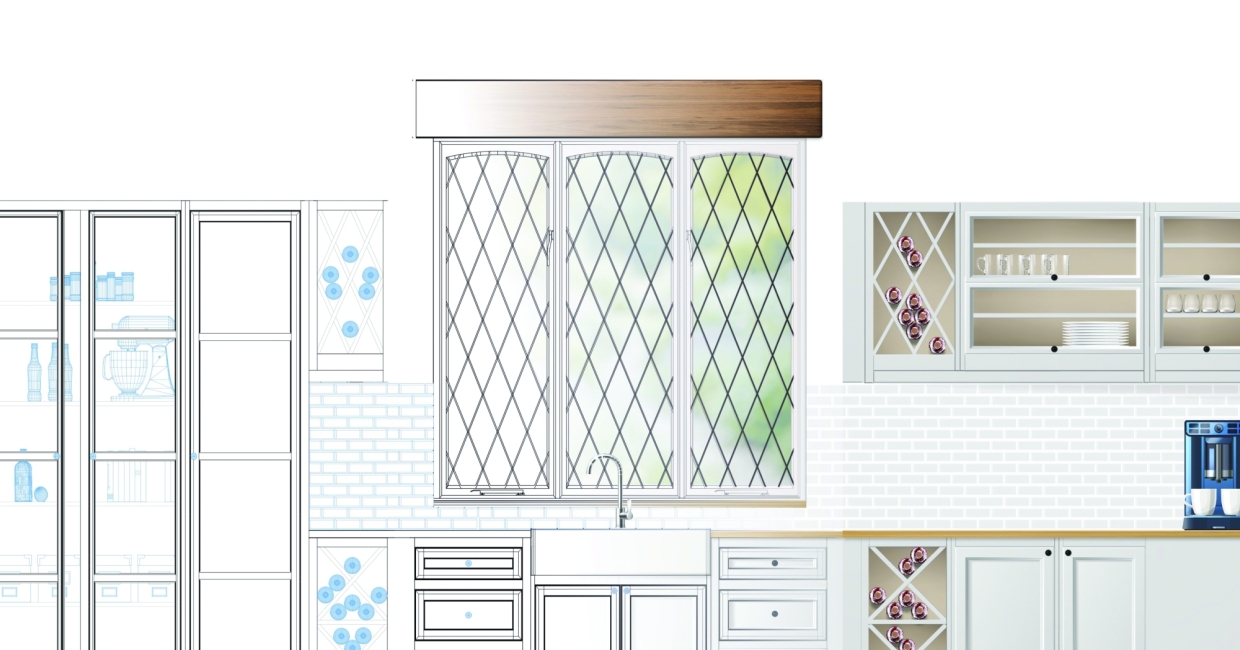
Solutions such as CABINET VISION, part of Hexagon’s Production Software portfolio, bring design, visualisation, and manufacturing into a single workflow. From concept and rendering through to drawings, cutlists, and CNC output, the software links what is designed directly to how it will be produced.
Changes made at the design stage automatically flow through to production data, reducing manual intervention and helping teams maintain consistency. For manufacturers, this means fewer interpretation steps, clearer communication between sales, design, and the shop floor, and greater confidence that approved designs can be manufactured as intended.
This approach does not replace craftsmanship. It supports it, freeing skilled teams from repetitive preparation work and allowing them to focus on quality and finishing, while creating a stronger foundation for CNC automation.
It also supports wider priorities. With sustainability now firmly on the agenda, more integrated workflows help optimise material usage, minimise waste, and ensure that production reflects the original design intent without unnecessary rework.
Ultimately, the competitive advantage in furniture and joinery manufacturing is shifting. It is no longer defined solely by craftsmanship or throughput, but by the ability to move from design vision to manufacturing certainty, where what is sold, what is planned, and what is produced are fully aligned.
For an industry built on precision and reputation, that alignment is becoming the foundation of both profitability and trust.