
For decades, furniture assembly has largely been treated as the final step in the product development process. Designers focused on aesthetics and function, engineers handled manufacturing feasibility, and the practicalities of assembly were often addressed only once the product reached the factory floor or installation site. Today, that approach is beginning to change.
Across the furniture and interiors sector, manufacturers are increasingly recognising that assembly methods play a critical role not only in production efficiency but also in logistics, installation, and overall product performance. As a result, assembly is no longer simply a technical consideration at the end of the design cycle, but an integral part of the design conversation from the beginning.
This shift is particularly evident within the contract interiors market, where projects demand speed, consistency, and reliability at scale. Small inefficiencies during assembly can quickly translate into delays, additional labour costs, or alignment issues on-site. By considering assembly earlier in the design process, manufacturers can address these challenges more effectively. Furniture components can be designed to integrate faster joining systems, reduce reliance on tools or adhesives, and simplify installation across large projects.
Industry conversations at recent international events such as KBIS and KBB have highlighted this growing focus on design for assembly. Manufacturers are increasingly exploring ways to simplify product construction while maintaining the structural performance and visual quality expected in modern furniture.
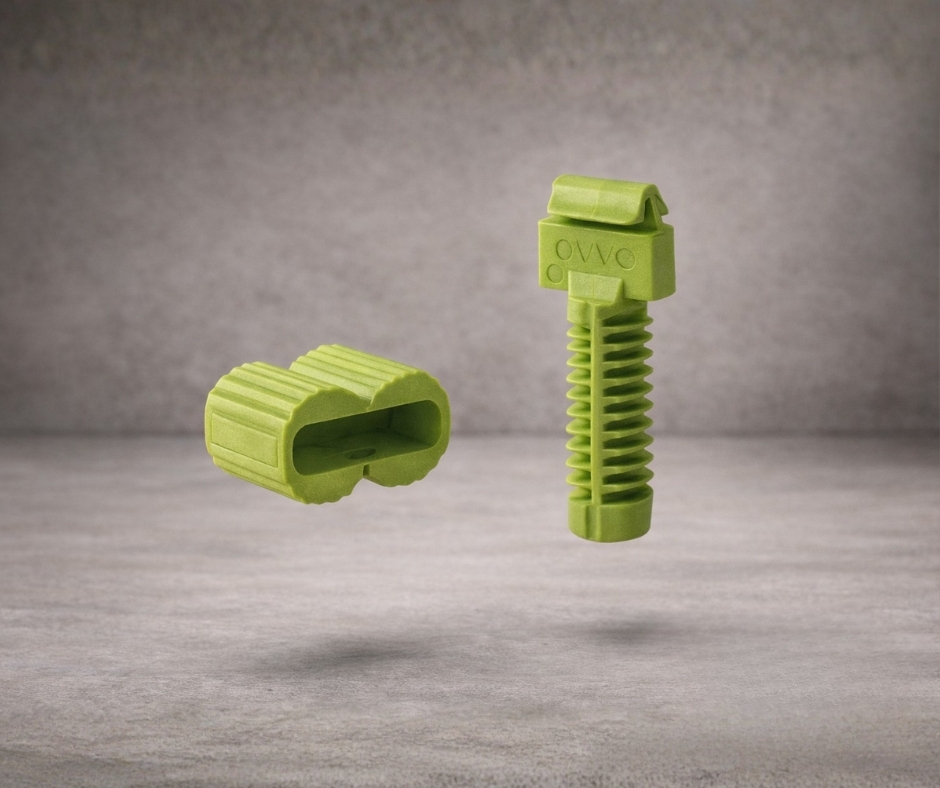
Connector innovation continues to play an important role in enabling this shift. Systems that allow fast, accurate alignment and repeatable assembly can help manufacturers streamline production workflows while maintaining consistency across large volumes of furniture components.
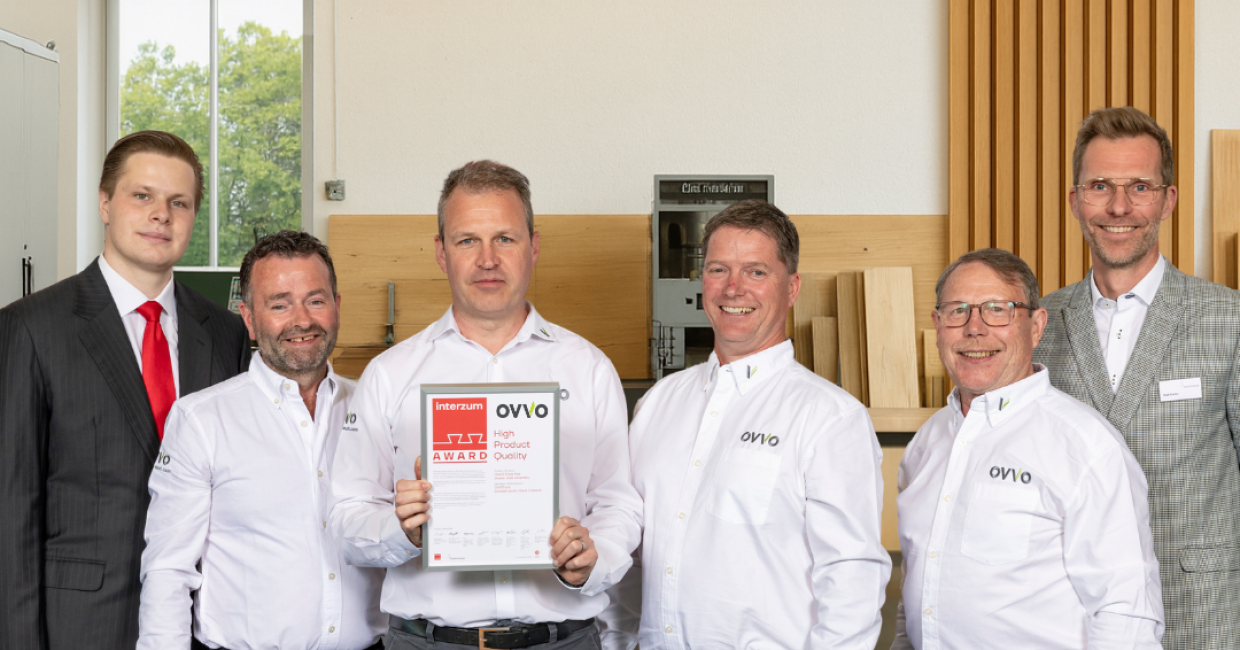
Recognition of these developments was reflected at Interzum Guangzhou, where OVVO received an award for its connector technology. Industry platforms such as these provide an opportunity to showcase how advances in furniture hardware are helping manufacturers rethink long-established assembly processes.
At the same time, the broader furniture market continues to evolve, with new retail channels and product categories embracing simplified assembly solutions.
Recent traction around the launch of OVVO-enabled laundry units on Home Depot illustrates how assembly innovation can support both manufacturing efficiency and end-user convenience.
As the furniture sector continues to evolve, it is becoming increasingly clear that assembly is emerging as a strategic design consideration that influences how furniture is manufactured, transported, installed, and ultimately experienced by the end user.
For manufacturers operating in the contract interiors space, designing with assembly in mind may well prove to be one of the most important shifts shaping the future of furniture production.